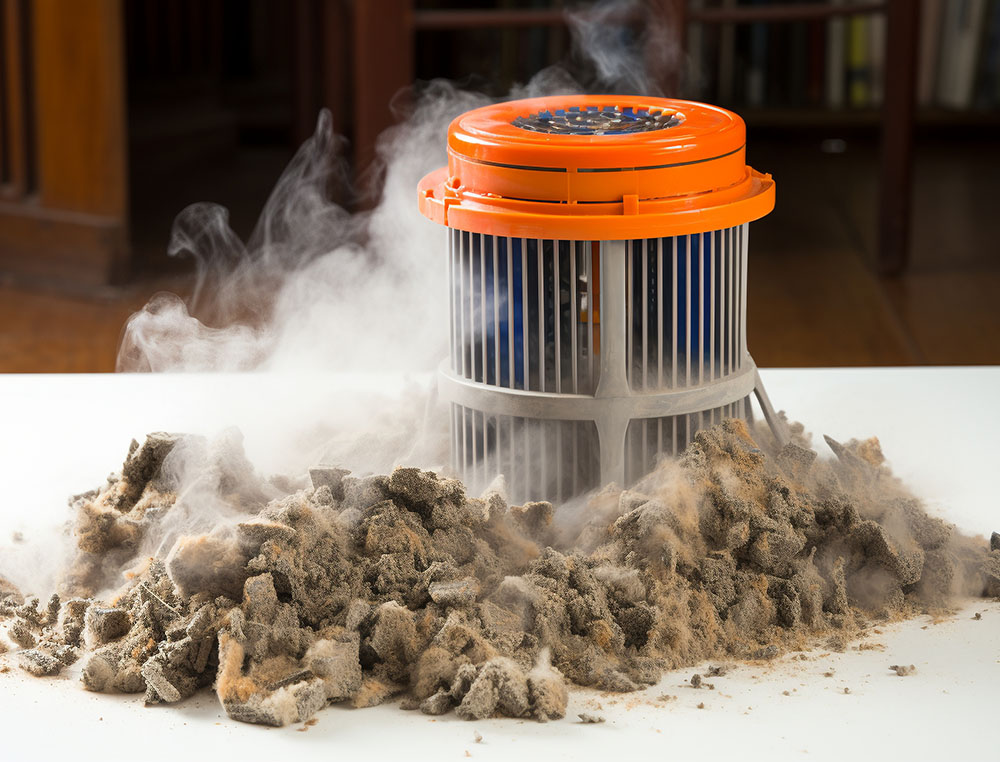
Qingdao Tamil Trade Filter Manufacturing Co., Ltd. is located in the Filter Industrial Park, mainly producing and operating filter materials; Filtering equipment; Compression and separation equipment; Filter; Filter; Filter and other products, the company has been committed to the industry for many years, effectively promoting joint ventures and cooperation with major enterprises and manufacturers, and serving society and users with the idea of industrial development.
Selecting an RCCB supplier can feel like ticking boxes on a compliance form. Yet anyone who has handled faulty units or chased unresponsive vendors knows that market claims rarely reflect real-world dependability. This article explores the less glamorous side of sourcing: the manufacturing shortcuts, inconsistent component quality, and hollow post-sale promises that quietly turn into expensive failures. It also examines why certain names, particularly ETEK, continue to surface in serious procurement conversations. Instead of recycling marketing slogans, the piece focuses on tangible distinctions—build integrity, supply chain transparency, and support that lasts beyond the invoice. Readers looking to move past superficial vendor comparisons will find practical observations and a clear-eyed perspective on what separates a trustworthy partner from a provider that simply meets paperwork requirements. The details you ignore today may determine whether your next project holds up tomorrow. This is not another supplier list; it's a guide to reading beyond the spec sheet.
Most batch production bottlenecks are locked in long before anyone notices them. The problem isn't the mixer's horsepower or the number of operators—it's how feeding, mixing, discharge, and cleaning are stitched together. This article steps past the obvious fixes and looks at the small decisions that quietly cap throughput: sequence timing, material flow at transfer points, cleanup windows, and the layout logic that forces extra movement. Instead of simply adding floor space or bigger equipment, rethinking these stages often unlocks more output with existing assets. Real plant examples from Fanchang Machinery show how those constraints get handled in practice, making it easier to spot similar friction in your own batching line. If your line crawls between batches, the reason is usually hiding in how the stages connect—not in how hard each stage works. That shift separates a line that compounds output from one that just grows bigger.
Rust never sleeps, especially on industrial handrails. In environments where chemicals, salt spray, or constant moisture are part of daily operations, standard steel railing becomes a costly liability—corroding from the inside out long before anyone spots the damage. Unlike metal, which starts losing structural integrity the moment its coating is scratched, FRP resists corrosion through its entire cross-section. This piece dives into why FRP handrail systems are rapidly replacing steel in demanding facilities. It examines the leading corrosion-resistant designs available today and explains how they outperform conventional materials in real-world conditions, from chemical plants to coastal sites. You'll also get an inside look at how Sino Grating engineers FRP railing that shrugs off aggressive exposures and dramatically cuts maintenance demands. If you're tired of budgeting for recurring railing repairs or replacements, this guide offers a practical, long-term alternative that stands up to the toughest industrial environments without the usual upkeep burden.
Ask any plant manager overseeing older screw or centrifugal compressors, and they’ll tell you friction eats into budgets. Magnetic levitation eliminates that friction, and Chinese manufacturers are pushing the technology into mainstream industrial use. The payoff shows up as lower energy bills, less downtime, and a smaller footprint. This article breaks down the benefits that matter most, from reduced maintenance to quieter operation, and looks at where maglev compressors are earning their keep in real plants. It also highlights what Seize Air brings to the table, with practical insights into how the shift away from contact bearings is changing compressor selection. If you’re weighing an upgrade or just tired of throwing money at wear parts, the case for going frictionless is getting harder to ignore. Once you see the operating data from a maglev unit next to a conventional machine, the difference isn’t subtle. That’s the conversation plant floors are having right now.
Moving day has a way of exposing weak gear. One bad corner, one sharp doorframe, and a cheap blanket shreds before the truck is half loaded. That's the problem this piece tackles head-on. It looks at what goes into Top Packaging's 72" x 80" professional moving blankets—dense stitching, no filler, built for repeated abuse from warehouse floors to third-story apartments. But the real focus is on the details most buyers never think about. Fabric weight, hem strength, stitch spacing, edge binding: these factory choices decide whether a blanket protects a dresser or disintegrates around it. The article explains why not all moving blankets are interchangeable, and why cutting corners on something so basic costs more in the long run. If you've ever wrapped a sofa at midnight or hauled a mattress up a narrow stairwell, this is the kind of practical breakdown that makes the next move less stressful.
Most tissue jams, uneven rolls, and excess dust don't come from the paper grade—they come from how the unwind and rewind sections are built. This article gets past generic spec sheets and explains what actually determines whether a rewinder holds tension, keeps edges straight, and stays clean at production speed. You'll see the design choices that matter most: core chuck rigidity, closed-loop tension control, guide system geometry, and dust extraction that works under load. It also covers why a growing number of converters rely on DAXIN machines when they need predictable, high-output runs instead of constant adjustments. If your current lines are costing you time and waste, the breakdown of these features gives you a practical checklist to use before buying your next rewinder. No fluff—just the mechanical realities that separate a line that runs from one that needs constant attention. Worth a read if you're serious about uptime.
Selecting all-steel ceramic antistatic flooring takes more than scanning a catalog or comparing tile thickness. The supplier behind the product often determines whether your floor performs for years or fails prematurely. This guide identifies the factors that matter before you sign a purchase order: load-bearing capacity, static dissipation efficiency, and long-term structural integrity. It also highlights the subtle issues buyers miss, such as inconsistent conductive layers or weak edge support, which only surface after installation. You will learn how to evaluate technical data sheets, understand testing standards, and confirm a vendor’s engineering capability. The article avoids generic advice and instead focuses on practical checks you can perform during sourcing. By reading it, you gain a clear framework for separating reliable manufacturers from opportunistic sellers, reducing the chance of expensive downtime or replacement. The result is a confident buying decision grounded in measurable performance rather than marketing claims. That's truly rare.
The E·XE 880 Enduro from Arctic Leopard flips the script on electric off-road riding. Instead of asking you to accept less, it hands you more—instant torque that snaps to life from a standstill, a chassis built specifically for punishing terrain, and a ride feel that stays razor-sharp when the trail turns ugly. There's no clutch to feather, no gears to hunt for—just direct, controllable power that lets you commit fully to the line ahead. And because it's electric, all that aggression comes without the roar, vibration, or fumes of a gas engine. For riders who take enduro seriously, this machine isn't a gimmick or a compromise. It's a legitimate tool for going faster, riding longer, and pushing harder through sections that would humble lesser bikes. The future of off-road performance is here, and it doesn't need a kickstart. The E·XE 880 doesn't just keep up—it sets the pace.